Mold remediation in Huntsville generally runs $1,500–$6,000, rising to $6,000–$15,000 when the whole home or the structure is involved. The size of the scope depends on how much area is affected, whether mold reached the framing, and how much moisture work the house needs. Alabama licenses no mold contractors, so ask for work to IICRC S520.
What the process actually involves, why the moisture half matters more here, and how to judge a scope.
Why Huntsville houses grow mold in the first place
Start with the ground. Red Tennessee Valley clay is among the slowest-percolating subsoil in the Southeast. It can pass less than one inch of water per hour. Now add Huntsville’s 54.3 inches of annual precipitation (NOAA/NCEI 1991–2020 normals), much of it arriving in summer thunderstorms that drop an inch in twenty minutes. The arithmetic is unforgiving: water that the soil can’t absorb has to go somewhere, and somewhere is against your foundation, under your slab edge, and into your crawl space. Then the humidity keeps it there. That is the whole mechanism, and every service on this site is a different place where it surfaces.
Remediation steps, in the sequence that lasts
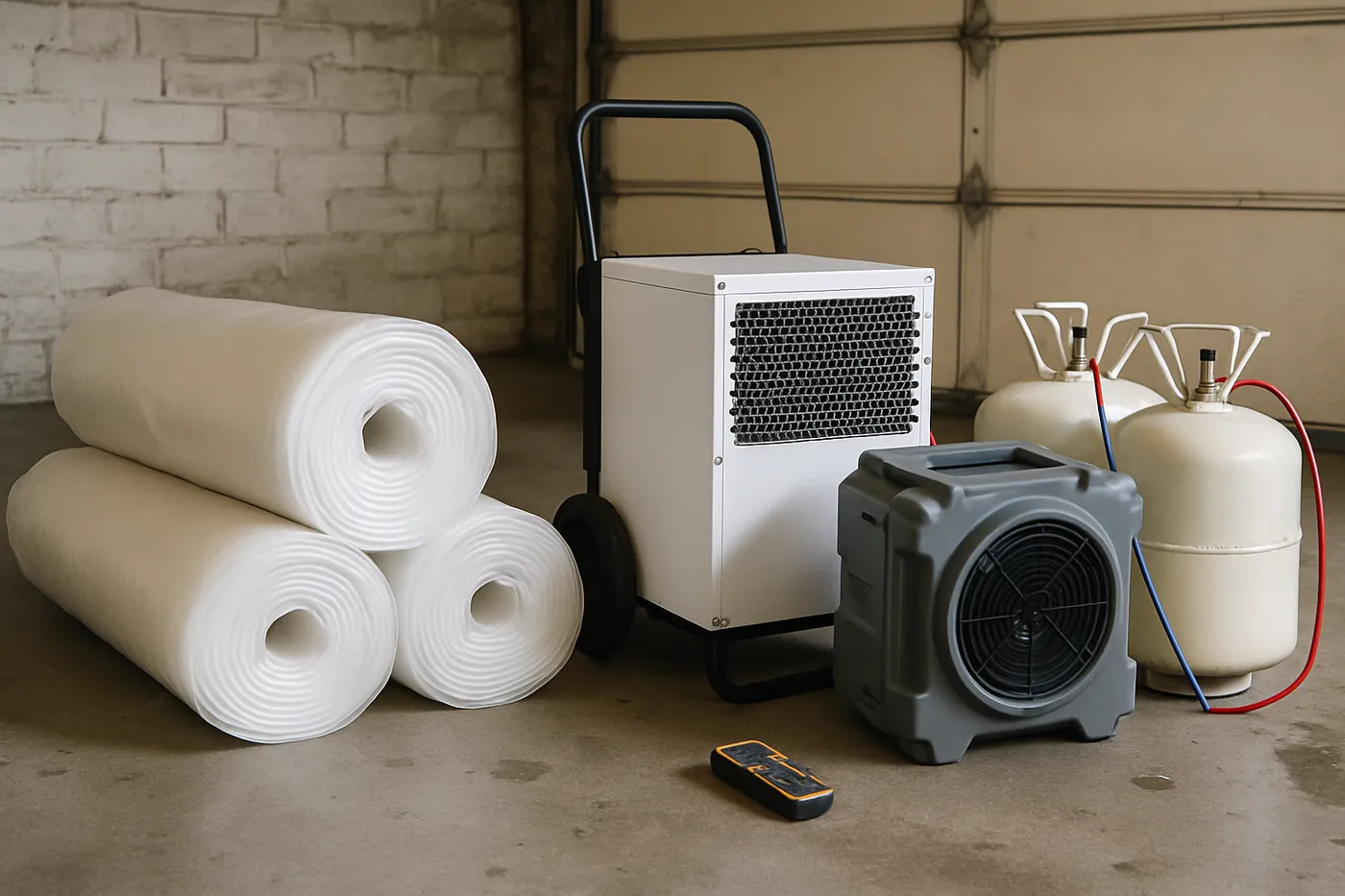
Containment first: plastic barriers and negative air pressure, so what gets disturbed doesn’t travel into the rest of the house through the HVAC returns. Then removal: porous material that the colony has rooted into comes out and gets bagged, because cleaning the surface of a material that holds roots below it is theater. Non-porous surfaces are HEPA-vacuumed and wiped. Then drying to a measured target with meters on the wood, not a guess based on how it feels.
Then the part most quotes skip: the water. A sound scope names the source in writing: the downspout discharging four feet from the wall, the grade that settled toward the house, the crawl with bare dirt, the AC drain that hasn’t been clear since the last owner, and prices its correction in the same scope. A remediation quote that never mentions where the water came from is a quote to do this again next year.
What sets the price
| Type of job | The work done | Huntsville price | Days |
|---|---|---|---|
| Surface mold limited to one room | A sealed work zone, HEPA cleanup, a drywall patch, the leak repaired | $1,500–$3,000 | 1–2 days |
| More than one room, or mold in the studs | A larger sealed zone, materials cut out, framing dried | $3,000–$6,000 | 2–3 days |
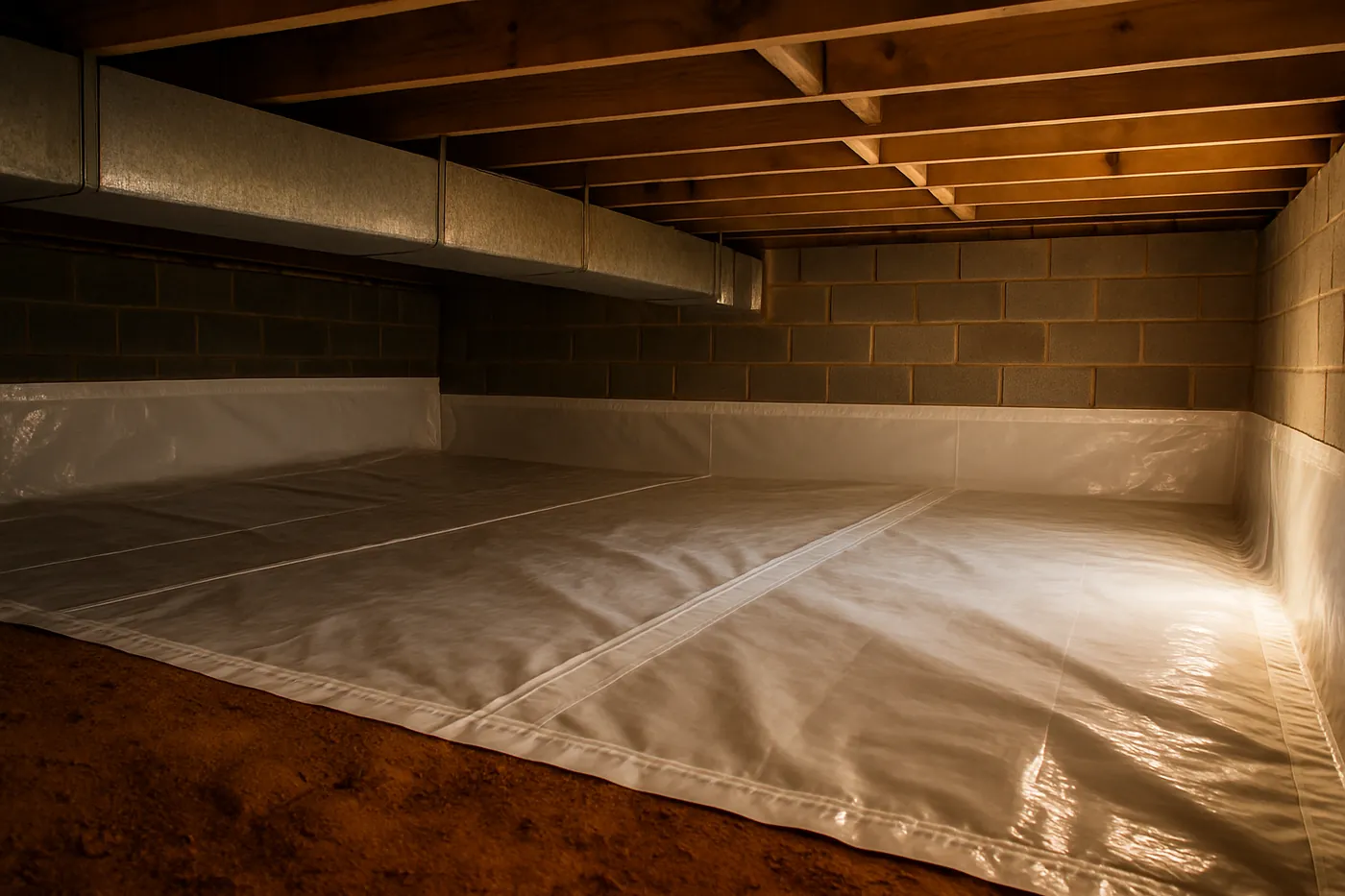
| Crawl space with vapor barrier | Remediation plus ground sealing and drainage | $2,500–$9,000 | 2–4 days |
| Whole-home or subfloor replacement | Several areas, carpentry, and full moisture control | $6,000–$15,000 | 4–10 days |
| Active water event | Water pumped out, then drying, then a check for mold | $1,000–$8,000 | 3–5 days |
How to read a Huntsville mold quote
Since the state certifies nobody, the paperwork is your only protection, and three things separate a real scope from a number scrawled on a business card. First, it names the moisture source and prices the correction, not "recommend addressing moisture," but the actual downspout, grade, or barrier. Second, it specifies containment and negative air, because a company that skips containment is redistributing your problem into rooms that were clean. Third, it states what standard the work follows; IICRC S520 is the one that exists. Ask about independent clearance testing too. The company doing the removal should not be the only one grading it.
Remediation questions, straight answers
What does mold remediation cost in Huntsville?
Most home remediation costs $1,500-$6,000, and whole-house or structural jobs reach $6,000-$15,000. What sets the price is the area of affected material, whether mold stayed on the drywall or got into the framing, how easy it is to reach, and how much moisture work is required. Many local specialists don't charge for the inspection; ask when they call.
Does Alabama license mold remediation companies?
Alabama doesn't license mold remediation companies. The Alabama Department of Public Health states there are no Alabama laws on mold standards or testing, and no accreditation or certification for contractors doing this work. A home builder license from the Alabama Home Builders Licensure Board is required for residential jobs over $10,000. Since the state gates nothing, the honest question to ask any company is which written standard they follow - the answer should be IICRC S520.
Can I just spray it with bleach?
For a hard surface you can clean in an hour, fine. For drywall, framing, or subfloor, no: bleach is mostly water, and adding water to a moisture problem on clay that already will not drain moves you backward. Porous materials hold the roots below the surface, which is why remediation removes material rather than painting over it.
How long does the work take?
Most homes need one to three days of hands-on work, and then drying time. The work zone is sealed first, damaged material is removed under negative air pressure, surfaces get HEPA vacuuming and a wipe-down, and the area is dried until a meter confirms it. Larger jobs involving subfloor or multiple rooms run longer.
Will it come back?
Only if the water does. Remediation removes the colony; it does not change the condition that fed it. In this market that condition is almost always water the clay wouldn't take - a downspout dumping at the wall, grade that fell toward the house, a crawl space with no vapor barrier. The written scope names the source and corrects it, or it isn't a real scope.
Get a Huntsville mold inspection
Tell us what you’re seeing. A musty smell that gets stronger near the floor, growth on drywall or joists, a crawl space that never dries out, water standing beside the slab after a storm, and we’ll pass it to one independent local specialist who can bring a moisture meter to the places that actually explain it. Buying a house? Say so, and mention your closing date.