For most Decatur homes, mold removal costs $1,500–$6,000. When the crawl space also needs a sealed barrier and drainage, plan on $2,500–$9,000. More than half of Decatur's houses were built before 1980, so that second figure is common here.
A river runs beside it
Decatur sits on the Tennessee River, and the water table reflects that. Low-lying areas near the river hold moisture that higher ground sheds, and the difference between two Decatur addresses can be larger than the difference between two towns elsewhere in the county.
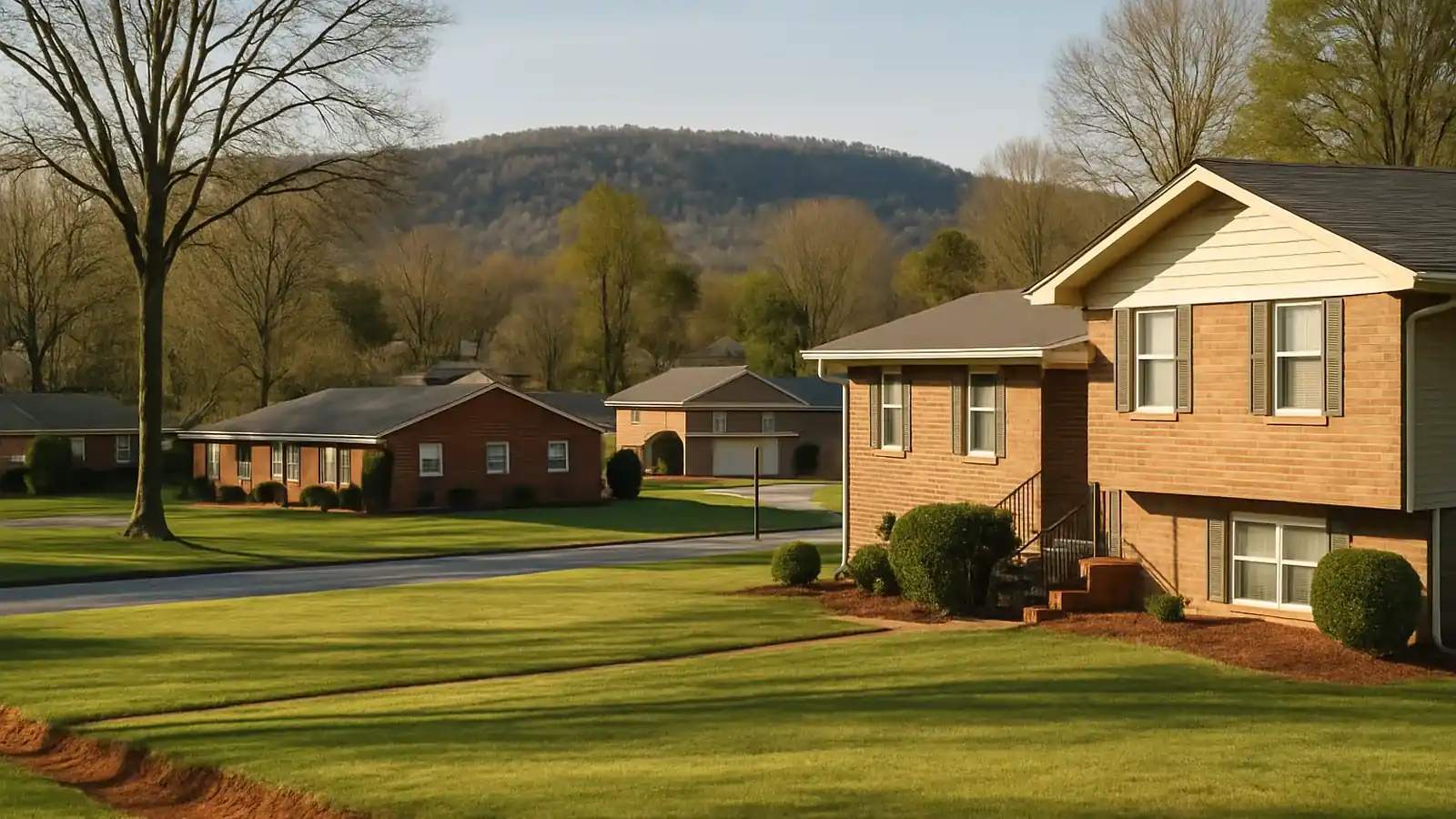
The housing stock is largely working-era: mid-century and earlier, built for the industrial workforce, on crawl spaces and slabs that predate any expectation of vapor control. Those houses were built well, but they were built for a time when a damp crawl space was simply what a crawl space was.
What turns up under Decatur houses
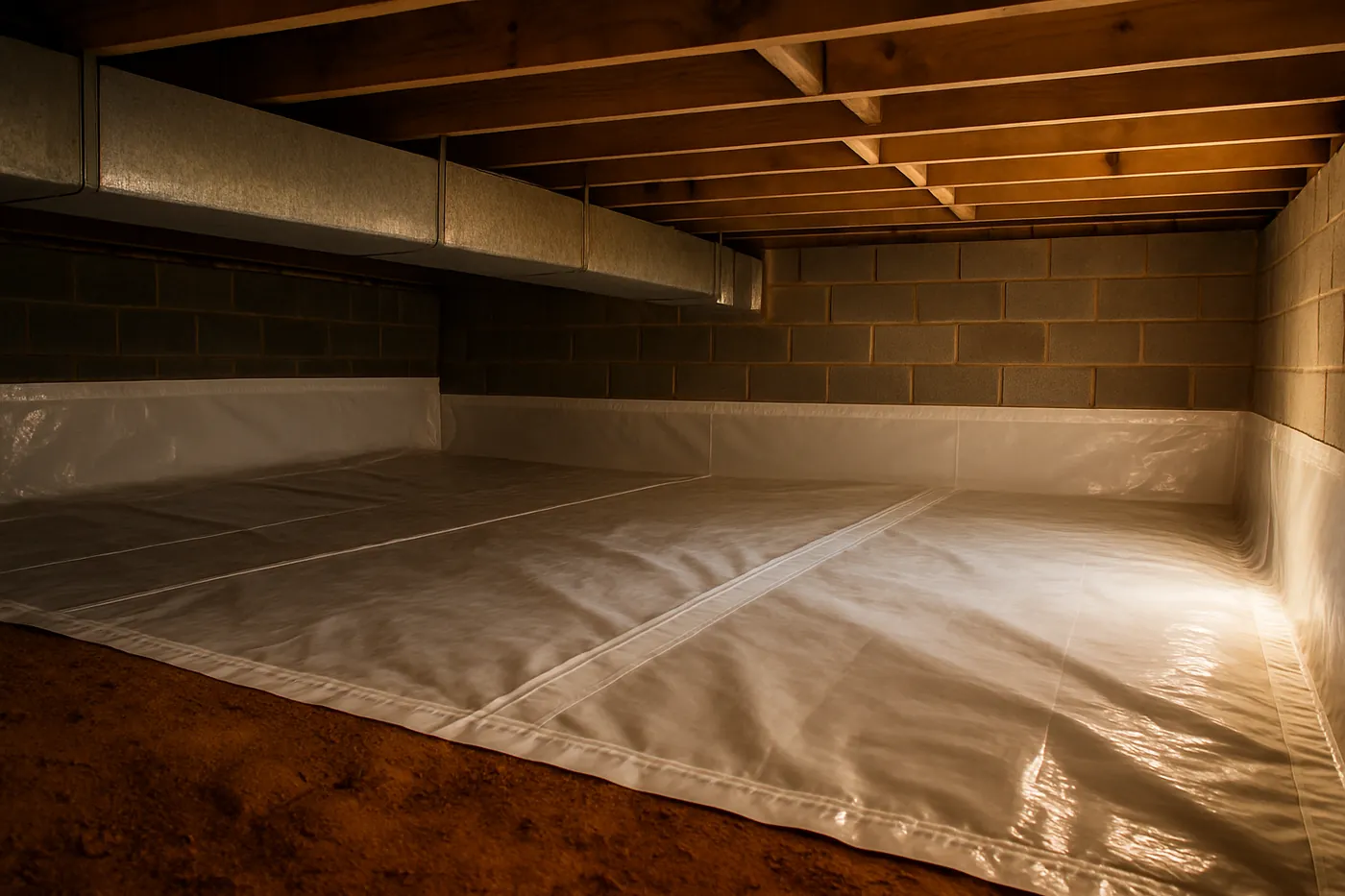
Bare ground, usually. A vapor barrier is a retrofit in most of this stock, and where one was added it was often laid loose and left unsealed at the perimeter, which passes moisture at every edge. Combine that with river-valley humidity and open vents, and the framing works through decades of wet summers. The crawl space page covers what the correction involves and what it costs.
Asked in Decatur
Does living near the river make it worse?
In the low-lying areas, yes - the water table sits closer and stays higher longer, so crawl spaces there hold moisture that higher-ground Decatur addresses shed. Two houses a mile apart can have genuinely different profiles.
There's plastic down there already. Isn't that a vapor barrier?
Often not a working one. Most of what turns up in this stock was laid loose and left unsealed at the perimeter and seams, which passes moisture at every edge. A barrier only works when it is overlapped, taped, and run up the piers and walls.
What does crawl space work cost in Decatur?
Generally $2,500-$9,000 depending on the size of the space, how much framing needs treatment, and whether drainage is part of the correction. Structural repairs to decayed joists price separately; ask the specialist whether that is what you are looking at.
Decatur's mid-century majority
About 25,500 homes stand in the city of Decatur by the Census Bureau's 2020-2024 count, and roughly 56 percent of them went up before 1980. The 1970s were the biggest decade at about 20 percent, the 1960s add another 17 percent, and around 8 percent are older than 1950. Only about one house in six dates from 2000 or later. That is the working-era stock described above, and it is why a bare-dirt crawl space is the default here rather than the exception.
The branches that drain the city
The Tennessee River gets the attention, and the U.S. Geological Survey has long gauged it at Decatur, but much of the flood risk inside the city sits along small streams. FEMA's flood study maps Dry Branch, Clark Spring Branch, Brush Creek and Betty Rye Branch near the center of town, and Zone AE and floodway areas fall less than two miles from it. A house that backs onto one of those branches can take on water in a storm that never moves the river.
Who permits the repair
Decatur's Building Department issues all construction permits for the city through its CityView portal, and it also enforces the city's floodplain management rules. If the fix goes past cleanup into new framing, a drain line or work in a mapped flood area, that office is the one to ask. A specialist who works in Decatur regularly should know which parts of the scope need a permit; ask them to say so in writing.
Get a Huntsville mold inspection
Tell us what you’re seeing. A musty smell that gets stronger near the floor, growth on drywall or joists, a crawl space that never dries out, water standing beside the slab after a storm, and we’ll pass it to one independent local specialist who can bring a moisture meter to the places that actually explain it. Buying a house? Say so, and mention your closing date.